

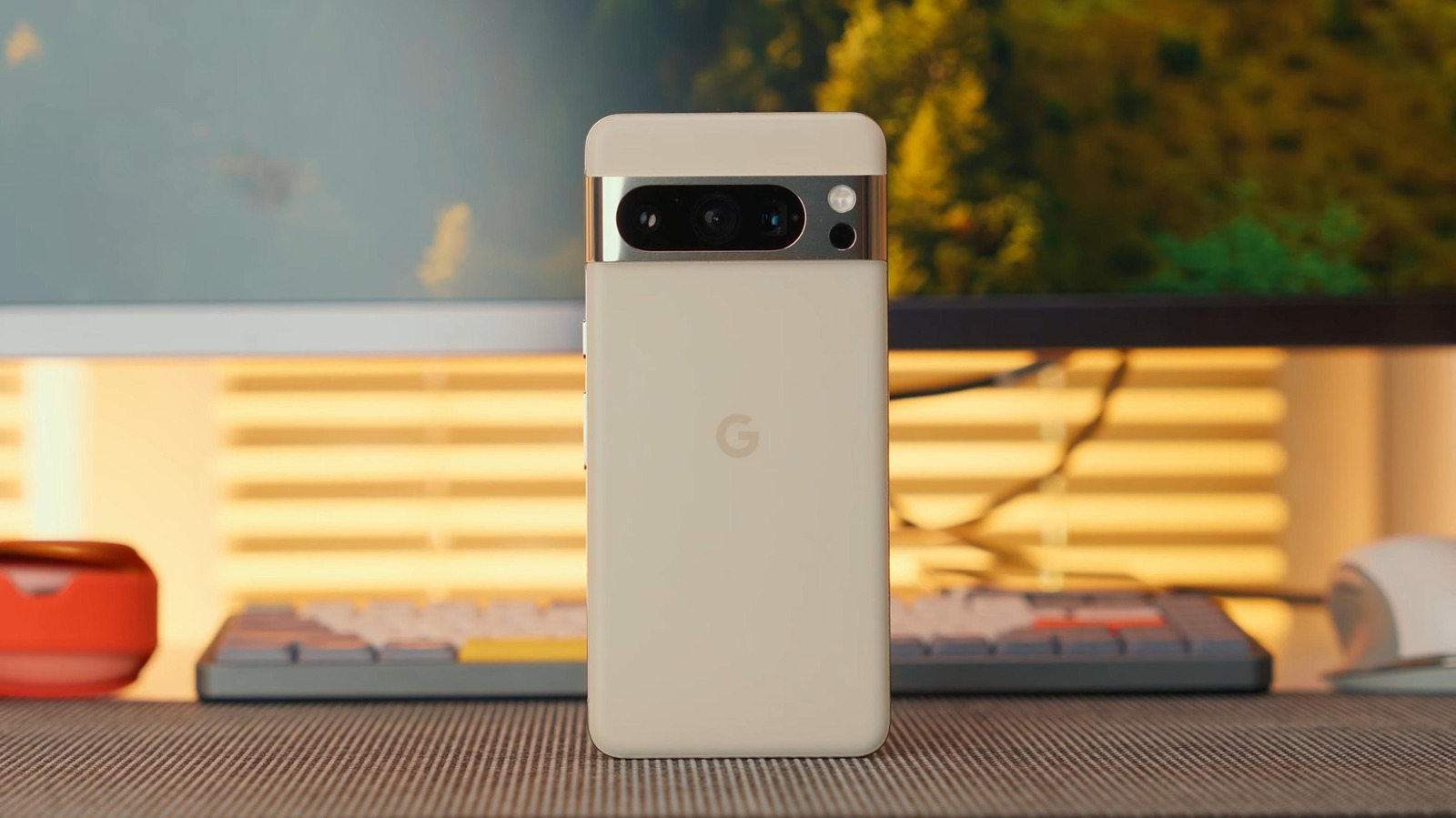
Google offers great support for Pixels, but not all models enjoy the full timeline.
With the release of the Pixel 8 in 2023, Google made a widely celebrated announcement. Going forward, Pixel phones would receive seven years of software updates — not only routine security patches but major OS upgrades, too. It was a more robust promise than even Samsung, the largest vendor of Android devices, had made in 2019 when it pledged three years of major OS updates for lower-end Galaxy devices and seven for select flagships. A quick loss of software support had previously been a major reason why Android phones failed to hold their value for long, so committing to that support was crucial for the future.
A lot of popular smartphones are in their last year of support right now, but how many years of life does your Pixel phone have left? That may not be obvious unless you know the exact month and year it hit the market. Google begins the window of service for a given Pixel smartphone in the month it became available for purchase on the Google Store website in the US.
Newer Pixel phones get five to seven years of software updates
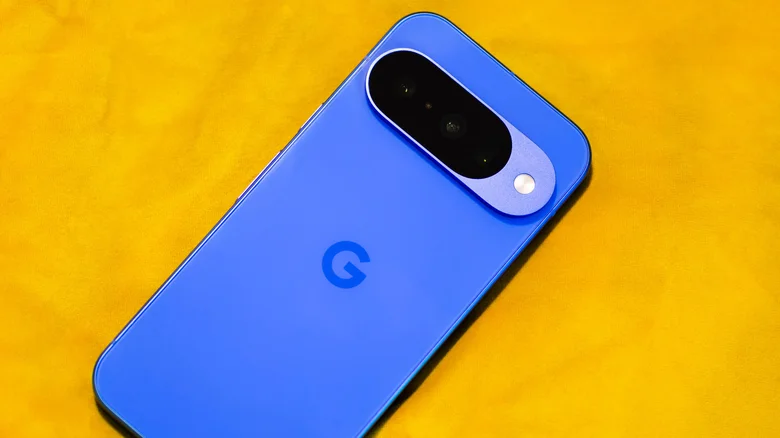
Google’s Pixel release date page is a helpful guide here. First, all Pixels from the original model through the Pixel 5a are obsolete and no longer receiving updates.
If you have a phone in the Pixel 6 or 7 families, or the original Pixel Fold, it will receive updates for five years from the month it went on sale. That means the Pixel 7 and 7 Pro will get their final update by the end of October 2027, while the Pixel 6 and 6 Pro are currently reaching their end of support in October 2026. Pixel a-series phones are released on a different cadence, so support windows differ accordingly. The Pixel 7a will cease updates after May 2028, while the Pixel 6a will lose support after July 2027.
The Pixel 8 and later are guaranteed to get seven years of support, meaning the Pixel 8 and 8 Pro will stop receiving updates after October 2030. It’s thus still worth picking up a discounted Pixel 8 with the life it has in it. The Pixel 9 and 9 Pro (released in August-September 2024) will do the same after those months in 2031, the 2025 Pixel 10 and 10 Pro after August 2032, and the new Pixel 11 and 11 Pro after August 2033.
The Pixel 8a, released in May 2024, will see support expire after May 2031. The Pixel 9a, which shipped in April 2025 after a March announcement, will receive no further updates after April 2032. Lastly, the Pixel 10a, which released slightly less than a year later, will receive a final update around March 2033.
Your options are limited once updates stop on a Pixel phone
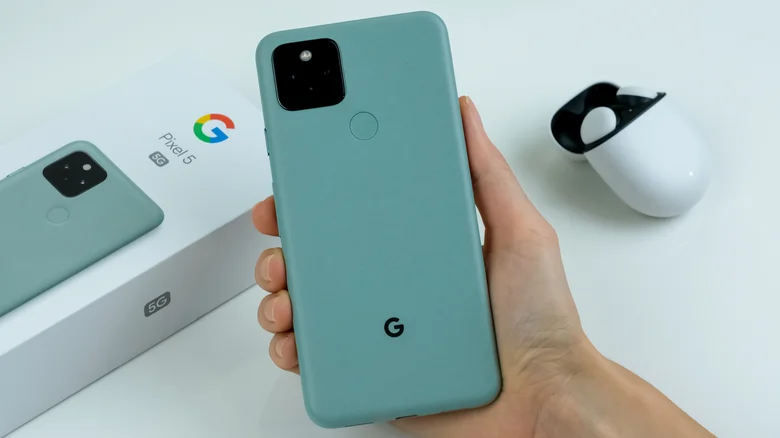
If you want to keep your Pixel phone alive after Google kicks it off the update schedule, you have few options. Of course, you can keep using it with the last software update it receives, but this will expose your phone to security risks in the long run. Part of an Android phone’s routine update schedule includes security patches, generally issued on a monthly cadence. Once those updates stop, new security issues that get discovered won’t be fixed, leaving owners of older devices exposed. You should get a new phone if possible, or at least upgrade to one that still receives security updates.
You might assume that installing a custom ROM or OS image onto your old Pixel would give it new life after Google abandons it. However, whether you go for a full-scale OS with a locked bootloader like the privacy-focused GrapheneOS, or opt for a ROM with an unlocked bootloader like LineageOS, you won’t be fully protected from security threats. That’s not to say you can’t run DIY software on an out-of-service Pixel, but rather that any updates pushed to those projects will not benefit from original equipment manufacturer (OEM) firmware, kernel and vendor code. See GrapheneOS’s explanation if you’re curious.
If hardened security isn’t important to you, LineageOS is the most well-supported ROM. It runs on an unlocked bootloader, so apps that demand stringent security on a verified boot such as banking, mobile wallets and games with anti-cheat measures will no longer work. However, Lineage is still supporting the original Pixel from 2016, along with nearly every other Pixel phone since. On a deprecated Pixel, you’ll receive LineageOS security patches for the Linux kernel and framework security, covering some but far from all of your bases.
