

Add preferred source1
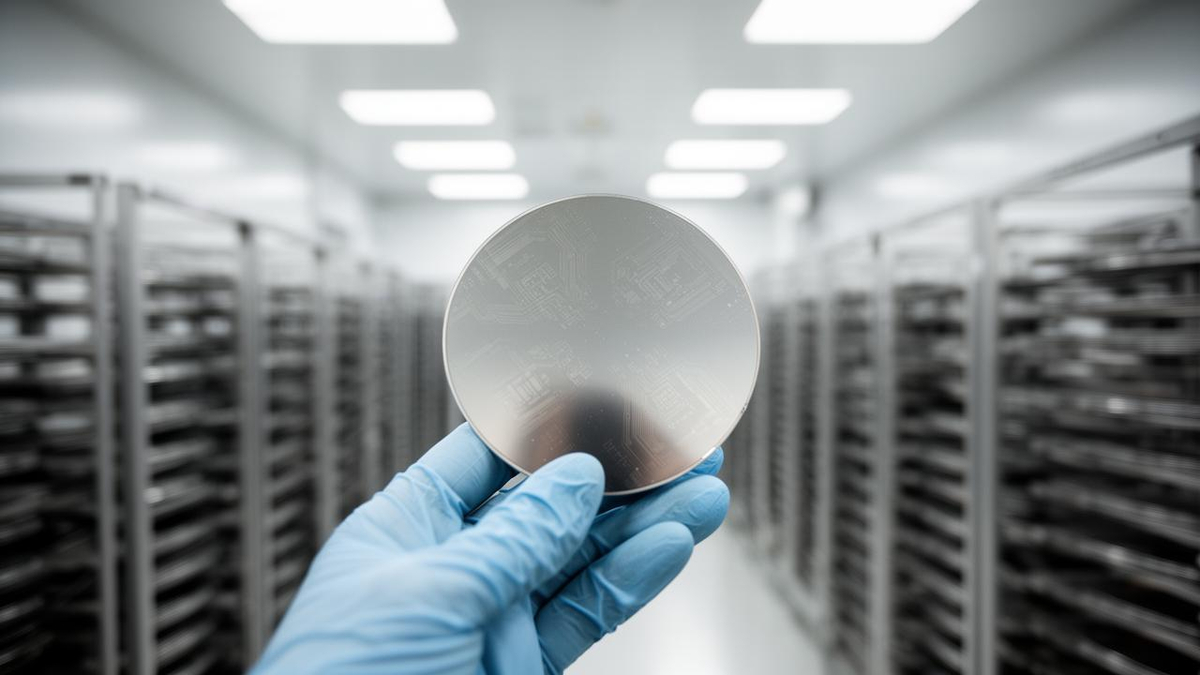
Samsung Electronics has locked up roughly 80% of its memory chip capacity for next year through long-term supply agreements, with Nvidia, Google, Microsoft, and other tech giants having signed deals spanning more than five years. The remaining 20% is now the subject of intense competition among companies yet to secure supply. The long-term agreement model is spreading beyond memory chips into the entire AI infrastructure supply chain—including MLCCs, FC-BGA substrates, transformers, and cooling systems—significantly strengthening supplier bargaining power. Industry norms now include 20% to 25% upfront payments and mandatory purchase clauses. SK Hynix, Micron, and SanDisk are similarly expanding their long-term agreement portfolios. Analysts caution that if the semiconductor market reverses, these agreements could become a risk exposure for suppliers. Samsung Electronics posted a record third-quarter operating profit of 107.4 trillion won, the highest ever for a global tech company, yet its share price has remained subdued as the market focuses on decelerating profit growth and near-term capital flow pressures.
Key Elements
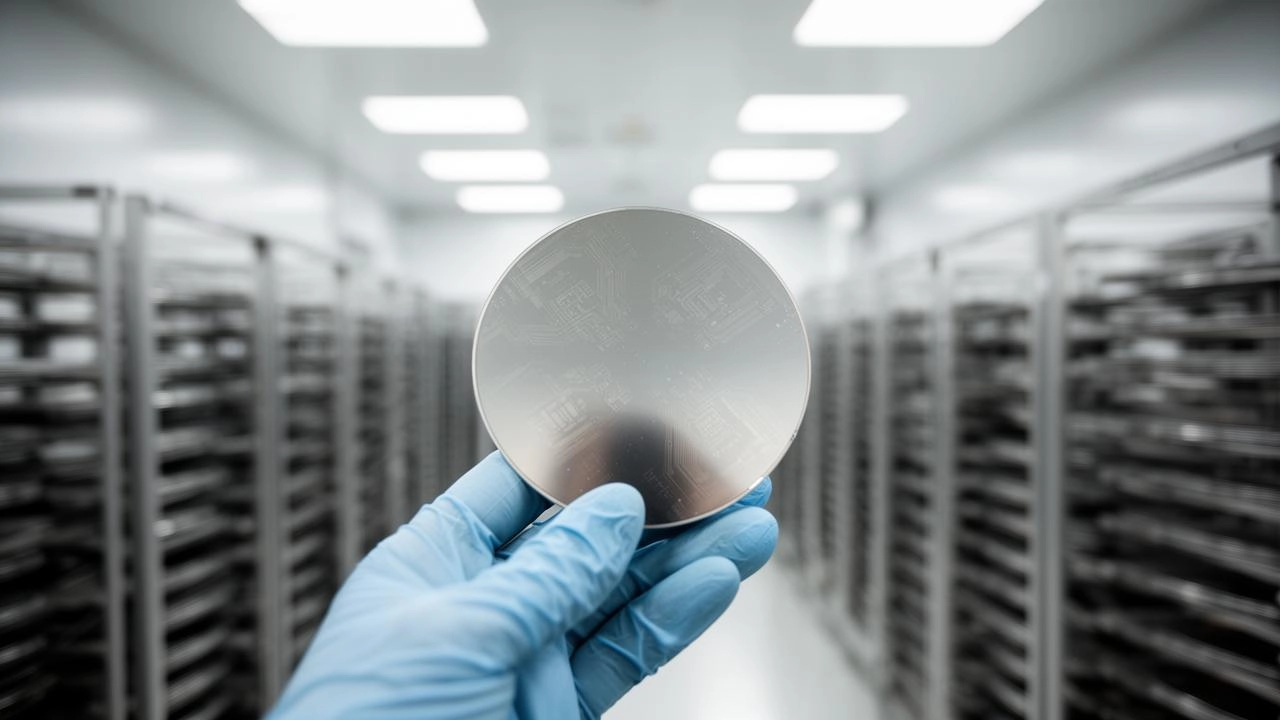
Samsung Electronics has locked up roughly 80% of its memory chip capacity for next year through long-term supply agreements, and the scramble among global tech giants for the remaining 20% is pushing supply chain competition in AI infrastructure to a new level of intensity. This dynamic is not only reshaping how the semiconductor industry does business—it is decisively shifting bargaining power toward suppliers.
According to a report earlier this week in the Korea Economic Daily, Nvidia, Google, Microsoft, and other tech giants have signed chip supply agreements with Samsung spanning more than five years. Companies that have not yet completed deals are quietly jockeying for the remaining approximately 20% of capacity. In its second-quarter earnings call, Samsung Electronics said that “virtually all major customers are requesting long-term agreements,” and acknowledged that it “cannot accommodate all demand.”
The Memory Capacity Scramble: Suppliers Lock In Future Revenue
According to industry sources, Samsung Electronics has already secured buyers for about 80% of next year’s memory chip output—including high-bandwidth memory (HBM)—through long-term supply agreements. That means tech companies that have not yet signed with Samsung are left to compete for only about 20% of remaining capacity.
Samsung is hardly alone. SK Hynix has completed long-term agreement signings with its major customers. Micron Technology’s strategic customer agreements grew from 16 in the second quarter to 26 in the third quarter. NAND flash maker SanDisk has also entered into long-term agreements with eight customers, including several large tech companies.
Japan’s Kioxia, which jointly operates NAND capacity with SanDisk, is likewise part of this wave. The two companies have run joint-venture fabs in Yokkaichi and Kitakami, Japan, for more than 25 years. In January of this year, they extended the Yokkaichi joint-venture agreement through the end of 2034, and in August announced an additional investment of more than $31 billion in Japan. At its February earnings briefing, Kioxia disclosed that long-term agreement negotiations with customers for 2026 were nearing completion, and that some hyperscale cloud customers had proposed folding 2027–2028 capacity into the same contracts with prepayment terms attached. Separately, Korean media citing industry sources reported that Apple recently signed a long-term NAND flash supply agreement—widely speculated to be with Kioxia for a term of three to five years—though the counterparty and specific terms have not been officially confirmed.
This shift has deep historical roots. Quarterly contracts or spot-price transactions have long been the industry norm in semiconductors, making it difficult for chipmakers to forecast future pricing and demand. As global tech companies sharply increased AI data center investment this year, chip shortages emerged, and securing stable memory supply became the top strategic priority for tech giants—accelerating the adoption of long-term agreements. Notably, long-term agreements had previously been concentrated in HBM, the most supply-constrained segment, while DRAM and NAND flash procurement had long been dominated by quarterly contracts. That boundary was only broken as AI data center demand spilled over.
Micron CEO Sanjay Mehrotra said in a recent earnings release that he expects memory demand to continue exceeding supply in 2027 and 2028. A significant portion of ongoing supply negotiations with customers is already targeting 2028 capacity.
The Long-Term Agreement Map Expands: From Chips to the Full Infrastructure Chain
The long-term agreement wave has broken through the memory chip boundary and is spreading across the entire AI infrastructure supply chain. Similar dynamics are emerging in multilayer ceramic capacitors (MLCCs), flip-chip ball grid array (FC-BGA) substrates, transformers, power equipment, and cooling systems.
Samsung Electro-Mechanics is about to sign a 700 billion won (approximately $522 million) long-term MLCC supply agreement with Delta Electronics—its seventh such deal this year. Samsung Electro-Mechanics’ cumulative order volume this year is expected to reach 4.6 trillion won (approximately $3.4 billion). LG Innotek is also in long-term agreement negotiations for FC-BGA substrate supply. Notably, Delta Electronics is a Taiwan-based power management and thermal solutions leader and a key partner in Nvidia’s AI server power ecosystem—this rush to lock in long-term supply is rippling along the AI supply chain all the way to Taiwan.
Power and cooling infrastructure is seeing similar movement. LS Cable & System has signed five-year bus duct long-term agreements with U.S. tech companies including Meta and Google. HD Hyundai Electric is advancing long-term agreement negotiations for data center transformers. LG Electronics has signed a 5 trillion won (approximately $3.7 billion) chiller supply contract with Air, a U.S.-based AI data center infrastructure company.
One industrynent shortages, tech giants are willing to accept unfavorable terms to lock in supply at all costs
The following are the major disclosed long-term agreement transactions (as of October 2026):
| Supplier | Long-Term Agreement Details | Scale and Status |
|---|---|---|
| Samsung Electronics | Memory chips (including HBM), counterparties include Nvidia, Google, Microsoft, etc. | ~80% of next year’s capacity locked, term exceeds five years |
| SK Hynix | Memory chips, major customers | Signing completed |
| Micron Technology | Strategic customer agreements | Grew from 16 in Q2 to 26 in Q3 |
| SanDisk | NAND flash, 8 customers | Includes multiple large tech companies |
| Samsung Electro-Mechanics | MLCC supply to Delta Electronics | 700 billion won (approximately $522 million), imminent signing, 7th deal this year |
| LG Innotek | FC-BGA substrates | In negotiation |
| LS Cable & System | Bus ducts, Meta, Google, etc. | Five-year term |
| HD Hyundai Electric | Data center transformers | In negotiation |
| LG Electronics | Chillers, U.S.-based Air | 5 trillion won (approximately $3.7 billion) |
Bargaining Power Shifts: Prepayments and Mandatory Purchases Become Industry Norm
Suppliers hold a clear upper hand in this wave of long-term agreements. As manufacturers’ capacity expansion struggles to keep pace with demand growth, the supply-demand imbalance continues to widen, and market bargaining power has tilted decisively toward the supply side.
In the memory segment, five years has become the standard base term for long-term agreements, with one-year extension clauses that roll over annually. To strengthen contractual binding force, hefty prepayments of 20% to 25% have become industry practice, accompanied by strict mandatory purchase clauses—even if a customer fails to take delivery, it must still pay according to the contract. Suppliers sometimes use these prepayments as a funding
This model reflects the deep alignment of interests between tech giants and component manufacturers: the former seek supply chain stability, while the latter use it to hedge capital expenditure risk.
Potential Risk: An AI Cooldown Could Turn Long-Term Agreements into a Double-Edged Sword
While long-term agreements provide suppliers with greater revenue visibility, the risks have not disappeared. Choi Woo-young, a professor in the Department of Electrical and Computer Engineering at Seoul National University, noted: “If the memory market falls into a downturn and customers demand renegotiation, suppliers will have no choice but to relax existing terms.”
If the semiconductor market undergoes a sharp downturn, customers may choose to breach contracts and pay penalties—at which point component manufacturers that expanded aggressively on the back of long-term agreements would face severe shocks. Long-term agreements enhance supply chain stability, but they also bind suppliers’ fortunes tightly to the durability of AI demand—a current competitive advantage that is also a potential systemic risk.
The Divergence Between Earnings and Stock Prices: What Is the Market Trading?
It is worth noting that the strong demand outlook locked in by long-term agreements has not fully translated into share price momentum for memory chipmakers. Samsung Electronics posted a third-quarter operating profit of 107.4 trillion won, becoming the first global tech company to surpass the 100 trillion won mark in quarterly operating profit. The record even eclipsed Google, Apple, and AI chip leader Nvidia. Preliminary results released by Samsung Electronics on October 8 also showed quarterly revenue of approximately 195 trillion won, up 126.6% year over year, with operating profit surging 782.5% year over year.
Yet record earnings did not translate into a rising share price. On October 8, the day results were released, Samsung Electronics’ stock fell rather than rose. Micron Technology, after reporting record quarterly and annual results on September 30, likewise failed to sustain a clear upward trend in its share price.
Micron’s quarterly operating profit approached 60 trillion won with an operating margin exceeding 80%, yet this also failed to generate sustained share price gains. Even more striking: during the three-month period when Samsung Electronics’ stock declined, Nvidia and AMD shares each rose more than 20%—and the HBM used in those AI accelerators is supplied by Samsung Electronics, SK Hynix, and Micron. Both ends of the AI supply chain are riding the same growth story, yet the market’s assessment is starkly different: companies that design AI accelerators are credited with growth potential, while companies that supply the core memory—even with record profits—are assigned lower enterprise values.
The market’s core concern is the marginal change in profit growth. According to TrendForce data, general-purpose DRAM contract prices rose 90% to 95% quarter over quarter in the first quarter of this year, and another 58% to 63% in the second quarter, but third-quarter growth expectations have fallen to 13% to 18%, with the fourth quarter narrowing further to 10% to 15%. Prices are still rising, but the acceleration is slowing. The cumulative price surge over the past year and a half is even more staggering: the fixed transaction price for PC DDR4 8Gb has risen from $1.35 in March 2025 to $26 in September of this year—an increase of roughly 19 times. The fixed price for 128Gb MLC NAND flash has reached $30.61. Samsung Electronics’ own profit growth is also decelerating: third-quarter operating profit grew approximately 20% quarter over quarter, while some forecasts suggest fourth-quarter growth could fall back to single digits.
South Korean brokerages remain optimistic about Samsung Electronics’ long-term prospects. Meritz Securities raised its 2027 operating profit forecast for Samsung Electronics by 13%, from 562 trillion won to 632 trillion won. SK Securities and KB Securities forecast 568 trillion won and 555 trillion won, respectively. SK Securities expects Samsung Electronics’ 2027 HBM average selling price to rise 103% year over year. KB Securities expects HBM4 to account for 80% of Samsung’s HBM revenue next year, up from 40% this year. Hana Securities projects that HBM’s share of Samsung Electronics’ overall DRAM revenue will rise from less than 5% this year to around 15% by 2027.
Yet Samsung Electronics’ 2027 forward price-to-earnings ratio (PER) stands at only around 4 times—meaning the current share price is just four times next year’s expected earnings. This extremely low valuation multiple may reflect the market’s long-standing wariness of memory industry cyclicality, or it may suggest room for share price recovery given that long-term agreements have enhanced earnings predictability.
Near-term capital flow factors are also weighing on the share price. In an October 6 report, Goldman Sachs warned that seven semiconductor ETFs with total assets under management of approximately 19 trillion won will undergo constituent rebalancing, and that combined with options expirations and the near-completion of Samsung Electronics’ 15 trillion won share buyback program (approximately 97% executed), multiple factors could release concentrated selling pressure around the earnings release date.
SK Hynix faces its own capital flow variable: the lock-up period on its U.S.-listed American depositary receipts (ADRs) expired on October 8, meaning previously restricted shares will gradually become available for trading. Since the ADRs have long traded at a premium to the Korean domestic share price, increased supply could narrow that premium and bring short-term volatility.
For memory chip suppliers, the arrival of the long-term agreement era is a double-edged sword: it locks in demand and revenue for years to come, but it also binds corporate fortunes more tightly to the AI capital expenditure cycle. When 80% of capacity is already spoken for, the real question may not be whether next year’s production will be fully utilized, but whether that certainty will still hold after 2027.
