

A resident, described in Yahoo News reporting as a lawyer, organizer, and lifelong Charlottean, looked at a Flock Safety representative and asked: “How do we hold Flock Cameras accountable?” What followed was not a crisp answer.
The exchange, shared by More Perfect Union on Instagram and went viral. The accountability gap it cracked open deserved far more attention than the moment that made it shareable
What Flock Actually Does
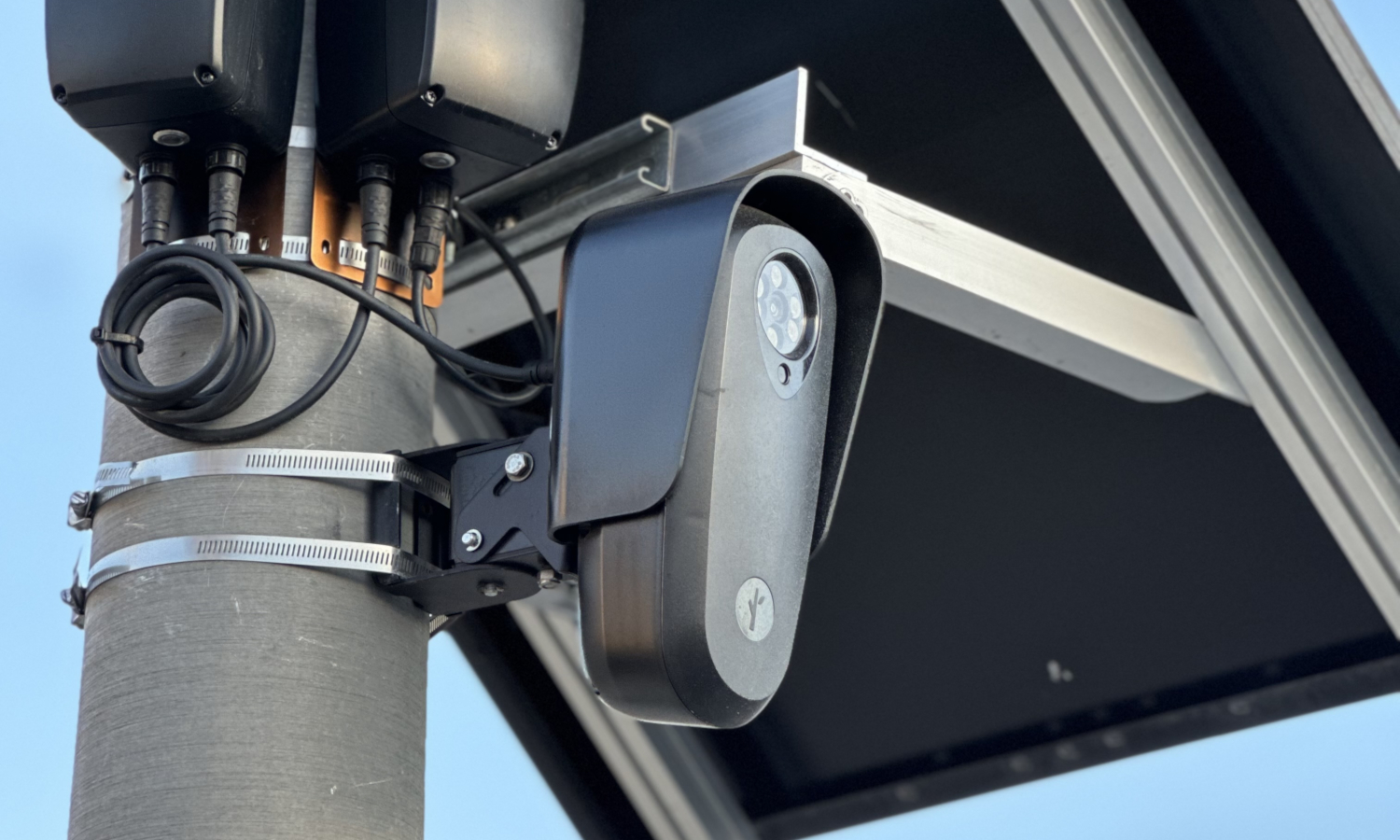
Flock Safety’s cameras capture license plates on public roadways, and the company is quick to point out that courts have largely sided with that model.
Flock Safety sells automated license-plate reader systems to law enforcement and other agencies. The cameras photograph vehicles and capture limited characteristics from public roadways, with no facial recognition involved. The company says customer agencies, not Flock, control who accesses the data.
Flock also states that more than 40 courts have found fixed LPR cameras do not violate the Fourth Amendment and cannot track an individual’s complete movements. That is the company’s legal and technical position. It does not settle the policy question the Charlotte resident actually raised.
The Moment
The representative said he was not feeling well; a longer clip shows him continuing the discussion, but the question he was asked did not disappear.
Great question. I appreciate that question. And I’m sorry, I’m not feeling too well for some reason.
Flock Safety representative, responding to a Charlotte resident’s question about public accountability
A longer version of the exchange, reportedly circulated on Reddit, shows him continuing the discussion and explaining that local governments and elected officials determine how the technology is used.
The available reporting does not establish whether his discomfort was medical or otherwise, and it would be unfair to treat it as deliberate evasion. What the full exchange does show is that his substantive answer placed accountability with local agencies, which only pushed the resident’s original question one level up the chain.
Real Safeguards, Wrong Question
Flock’s internal controls are documented and real. They just answer a different accountability question than the one Charlotte residents are asking.
Data defaults to deletion on a rolling seven-day basis, though customer agreements or local law can alter that period. Sharing is off by default, every search is logged and tied to a specific user, and the company’s Audit Assistance system flags abnormal activity for administrator review. Think of it as a detailed receipt for every transaction in a store you never chose to enter.
The resident’s challenge was not about whether Flock monitors its own system. It was about who to call when those internal controls fail. It was also about what happens if Flock is acquired and a new owner rewrites the rules. Flock’s governance model places authority with the customer agency, which means that answer only holds if the agency itself is genuinely reachable and responsive to residents.
What Better Looks Like
Pressure from exchanges like this one points toward concrete improvements that vendors and government customers could actually implement.
Mandatory public reporting on retention periods, data-sharing agreements, and audit results would give residents something to evaluate beyond a company FAQ. Independent audits and clear complaint mechanisms tied to the contracting agency would give residents a real path to redress. Procurement language that survives an ownership change would address the durability problem the resident raised directly.
Exchanges like this one create pressure on both vendors and elected officials. Whether that pressure produces enforceable policy is a question for the local officials Flock says are ultimately in charge.
“The local agency is responsible” is only a satisfying answer if you have a real, functioning way to hold that agency accountable too.
