

Affiliate links on Android Authority may earn us a commission. Learn more.
5 reasons I’d buy the Pixel 11 Pro over any other Android phone right now
The newest Pixel is absolutely goated.
By
•
•
•
Robert Triggs / Android Authority
Add Android Authority on Google:
Preferred SourceGoogle Discover
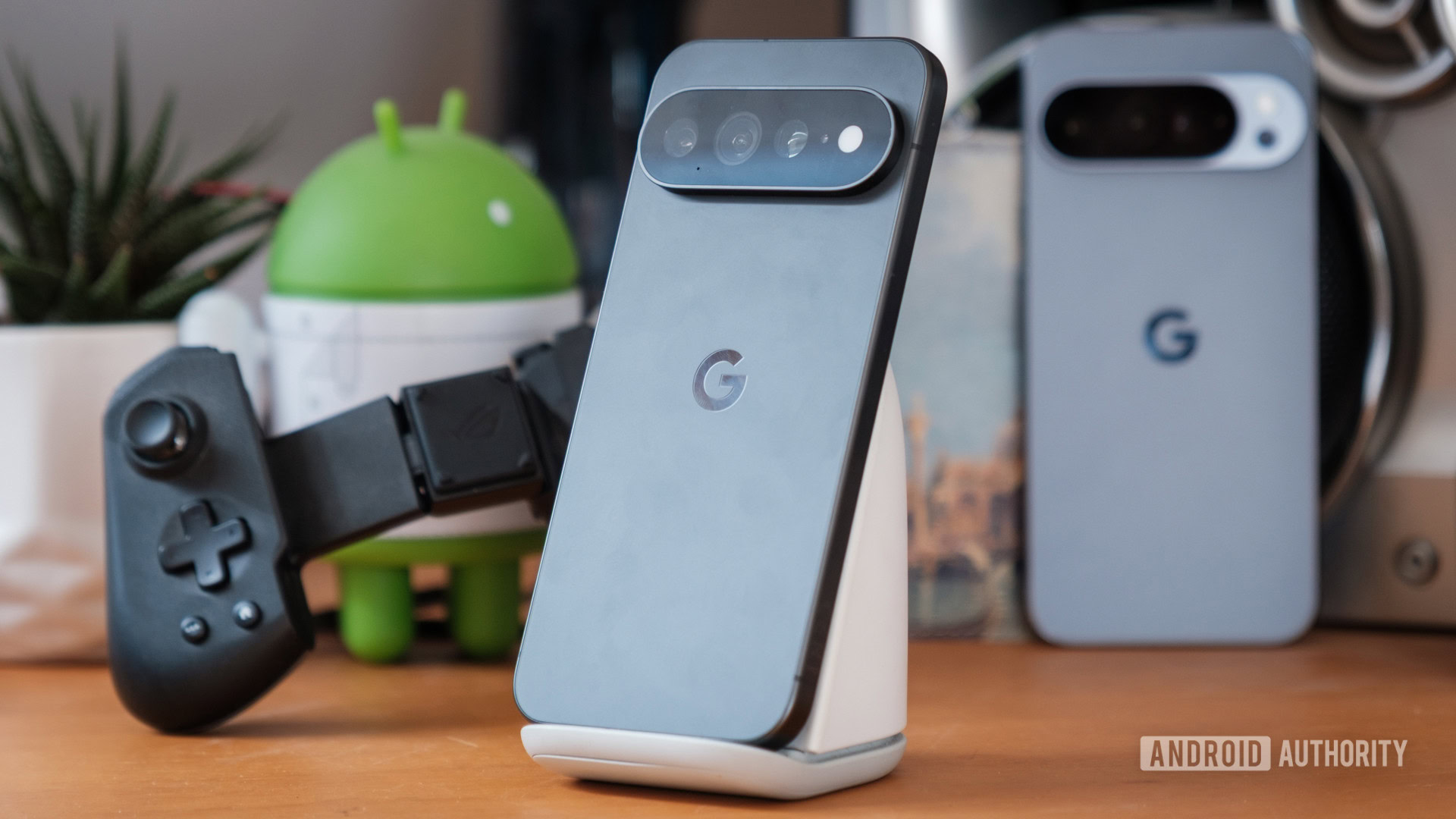
Google’s Pixel 11 series may not have turned out exactly as we hoped, but it does one thing really well: holding on to its Pixel identity. It’s unmistakably a Pixel phone, right from its hardware aesthetics to all its software quirks.
In a sea of smartphones that look alike, Pixels have not only stayed true to their identity but also improved it over time. And that comes across when you pick up the Pixel 11 Pro and feel how refined it is, bothinside and out.
And that’s perhaps why I can’t even consider any Android smartphone other than the Pixel 11 Pro.
What’s the Pixel 11 Pro’s biggest advantage?
Google keeps away the bloat
Joe Maring / Android Authority
Pick up a comparable Samsung flagship, and you will instantly find duplicate apps for everything — calendar, notes, contacts, and more. And don’t forget all the extra services and third-party bloatware you didn’t even ask for. Whenever I pick up a Samsung handset, the first thing I do is delete all the Microsoft apps along with Samsung’s own Global Goals and TV Plus. Apparently, you can save over a gig with just this. And Samsung may be the most notorious for this, but honestly, the story is true for almost all Android OEMs.
As a Google product, the Pixel series sticks to a set of first-party apps, giving you the essential experience without overburdening you with tons of nonsensical apps. And since I basically live within Google’s ecosystem of services, I rarely need any other basic tools, say, for email or note-taking. And otherwise too, Pixel’s interface feels the lightest among its peers, despite Google aggressively adding new features — all of them are tastefully added and remain out of sight until you need them.
First in line for software updates
At one point, smartphones were commodities designed to become obsolete after a couple of years of use, with little to no software support to extend their lifespan. Pixel changed that perception for Android phones for good. My number one reason to pick up a Pixel has long been day-one updates. It’s so joyous to receive the latest Android updates and Pixel Drops the very day they are released.
Other smartphone makers also commit to extended software support, though they have historically struggled to push the latest updates to their older flagships in a reasonable timeframe. For instance, Samsung’s latest Galaxy S26 got its Android 17 updates about three months after Pixels, while the older Galaxy S24 and S23 series handsets will have to wait for another month or two. On the other hand, Pixel handsets dating back to the Pixel 6 received their latest Android version on June 16 itself.
This is evident enough that Google’s seven-year software commitment carries weight and isn’t just marketing fluff. The newest AI tricks may not always reach all old Pixel handsets, sure, but the latest Android updates and security patches ensure you can keep using them until the hardware dies.
The Pixel 11 Pro has plenty of smarts
Gemini’s implementation on Android phones has turned out to be a surprisingly seamless experience. It doesn’t feel like an AI app sitting on top of Android as a superficial feature. It’s instead ingrained into the operating system itself, so it has extensive context and can take action across apps without fuss. It’s now second nature to me to fire up Gemini to handle every little inconvenience, be it on the device or in real life.
That said, the Pixel 11 Pro’s smart features extend beyond Gemini. For instance, the new Magic Capture feature is a godsend for me. It lets me stay in the moment without getting distracted by taking photos — the phone does that for me! It is such a little quality-of-life update that I know I’ll appreciate every single day. Not to forget all the legacy Pixel-exclusive features that I swear by, including Now Playing and the insanely good on-device voice typing, which saves me from relying on any third-party tool.
Besides that, the HiLight LED indicator on the Pro’s back may not have been received well, but Google’s roadmap to add more features gives me a bit of hope. Not having to glance at the dimly lit, always-on display to catch incoming notifications is already exciting and something I would very much like to add to my digital well-being stack.
Trusty cameras for the win
Pixels have historically heavily relied on computational photography to deliver the kind of photos and videos they are known for, and this year is no different. The Pixel 11 Pro only takes it so far, supporting an insane 120x digital zoom that uses AI to create details it physically can’t capture, but that’s not the reason I’d pick the Pro.
The camera is one of the biggest reasons I choose the Pro over the standard Pixel 11, specifically because all three rear cameras have high-resolution 48+ MP sensors. That means you can take high-quality shots in every single mode, be it ultra-wide, macro, or 5x optical zoom. Having a similar resolution helps the phone maintain consistent output no matter which lens you’re using, and the Pixel 11 Pro makes a strong case for itself. Google has come a long way since the early days of Tensor-powered Pixels, when the difference between lenses was clearly visible, but the gap is basically non-existent on the latest models, whether in contrast or color saturation.
The kind of photos the Pixel 11 Pro naturally produces is close to how I like my shots — with natural colors and a tinge of contrast to make everything pop. Samsung’s Galaxy S26 series continues to deliver images that look unnaturally bright and oversaturated, which require a lot of editing in post. My Pixel saves me all the work from the get-go, so that’s another reason I just can’t go with any other Android handset.
Google’s hardware is superb
Beyond my fondness for smaller phones that fit easily in the palm of the hand, I like how the last couple of generations of Pixels have felt in the hand. Their heft and flat sides make them feel like solid, premium handsets rather than a flimsy, cheap-feeling gadget. They, in fact, feel better to grip than iPhones because of that minute curve in the metal frame where it meets the front and back glass. Furthermore, it’s so refreshing to see actual bright-looking colors coming to the Pro models, which often only get a pastel treatment — that Canyon and gold shade looks so slick on the Pixel 11 Pro!
And I wouldn’t deny the positive attention it draws in public places, partly because Pixels are a rare breed amid a sea of iPhones and Samsung Galaxies, and partly because the rear camera visor is such a statement piece for Pixels that it’s instantly recognizable. Frankly, I’m half mad that Google removed the visor from the A series phones.
There is no denying that the Tensor G6 processor in the Pixel 11 series leaves much to be desired in terms of sheer performance. But in everyday life, it’s the little quality-of-life trinkets that Google keeps dropping here and there that you notice more than the phone’s benchmark scores. Like having both a fingerprint scanner and secure face unlock comes in handy in different situations. I could probably list more, but these stand-out Pixel 11 Pro features cover the basics and are reason enough for me to put my money down for it over any other Android flagship on the market right now.
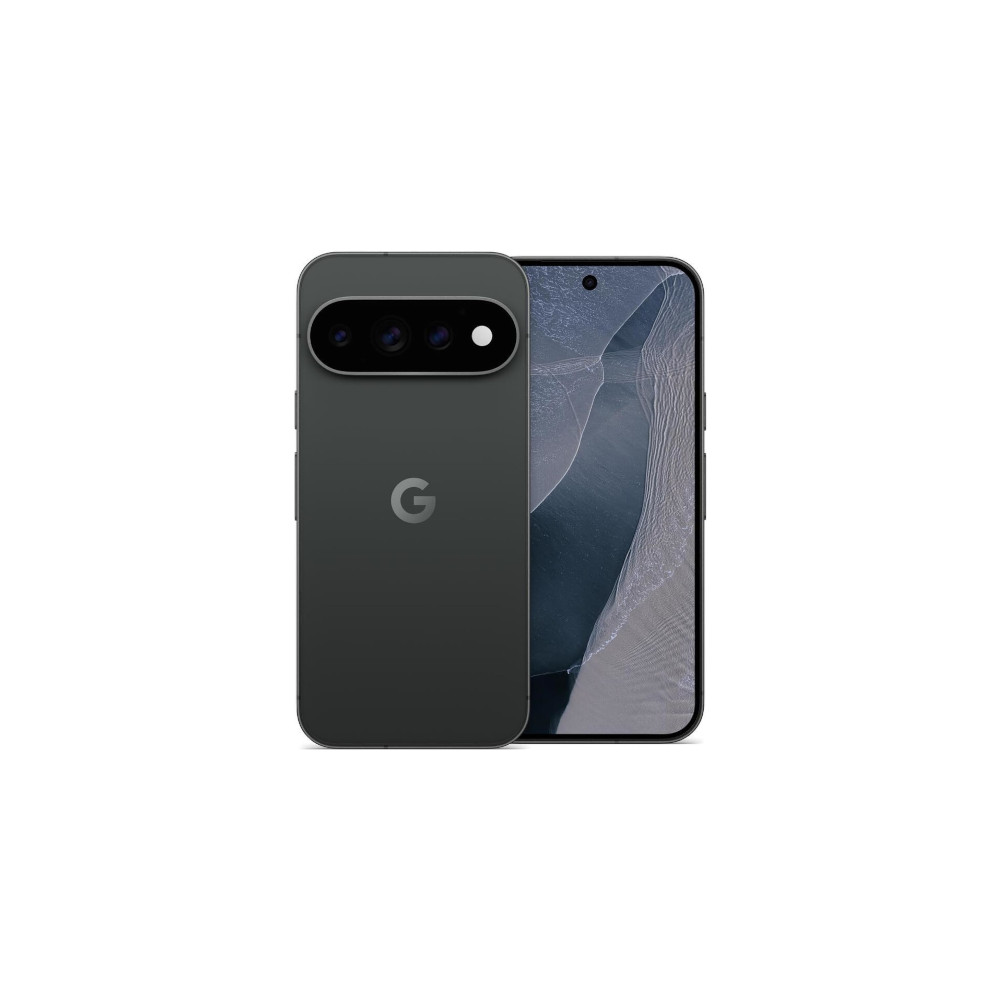
Google Pixel 11 ProExcellent cameras • 7 years of Android updates • Built-in magnets with Qi 2.2
MSRP: $1,099.00
The best of Pixel gets even better
The Pixel 11 Pro represents the best of Google smartphones in 2026. With a refined design (in better colors than ever), good day-to-day performance, outstanding cameras, and unrivaled software features, it’s one of those phones that’s hard not to love.
See price at Amazon
Features
GoogleGoogle PixelGoogle Pixel 11
Follow
Thank you for being part of our community. Read our Comment Policy before posting.
