Close Menu
MyAppsPlus

    Subscribe to Updates

    Get the latest creative news from FooBar about art, design and business.

    What's Hot

    Machine Learning Improves Colorectal Cancer Recurrence Prediction

    October 4, 2026

    1666: Amsterdam is the long-lost sequel to Assassin’s Creed: Brotherhood, 15 years in the making — ‘It’s been a long journey’

    October 4, 2026

    Amazon Is Taking $550 Off a Pool Robot That Barely Needs Recharging

    October 4, 2026
    Facebook X (Twitter) Instagram
    Facebook X (Twitter) Instagram
    MyAppsPlusMyAppsPlus
    Sunday, October 4
    • Home
    • Breaking Tech
    • Apps & Software
    • AI & Automation
    • Android
    • iPhone & iOS
    • More
      • Reviews
      • How-To Guides
      • Deals & Discounts
      • Shop
    MyAppsPlus
    Home»Breaking Tech»What is infill in 3D printing and is it necessary?
    Breaking Tech

    What is infill in 3D printing and is it necessary?

    myappsplusBy myappsplusOctober 4, 2026004 Mins Read
    Share Facebook Twitter Pinterest Copy Link LinkedIn Tumblr Email Telegram WhatsApp
    Follow Us
    Google News Flipboard
    What is infill in 3D printing and is it necessary?
    Share
    Facebook Twitter LinkedIn Pinterest Email Copy Link

    Your 3D prints probably don’t need to be rock solid, but what goes inside them still matters.

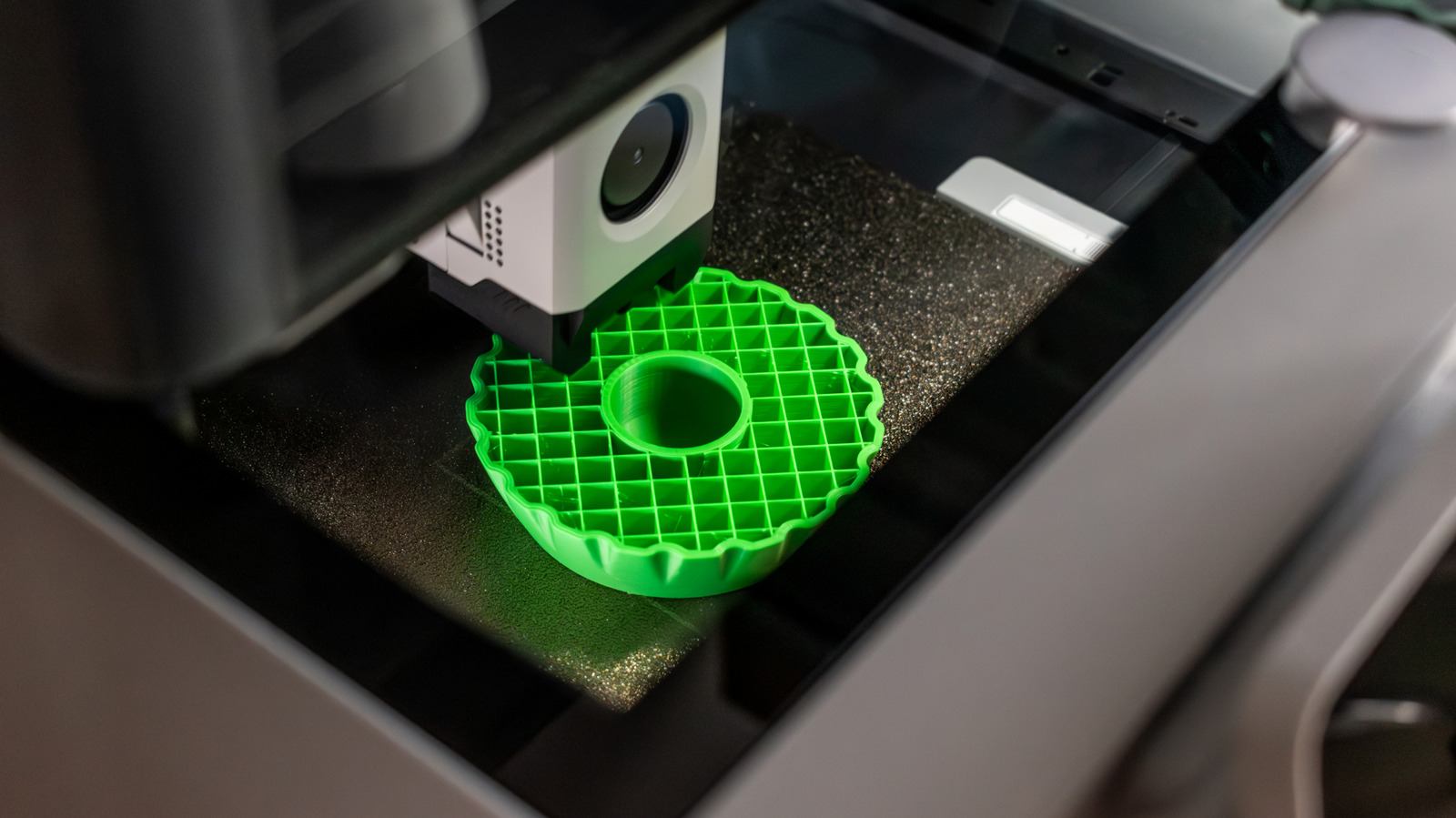
    You may have noticed a weird web of lines inside 3D-printed models. That’s infill. Typically, the interior of a model is not solid plastic in FDM or FFF 3D printing. Rather, the slicer (software that prepares files for 3D printing) generates an internal structure that supports the layers above it and provides some extra rigidity to the final product without wasting a whole spool of filament.

    Infill isn’t part of every 3D-printing process. For instance, resin printers tend to create solid models unless they are intentionally hollowed out. However, on the filament printers most beginners will be using, infill is one of those settings that can subtly alter the length of a print, the amount of material used and the strength of the finished part.

    Infill density changes more than how much plastic is inside
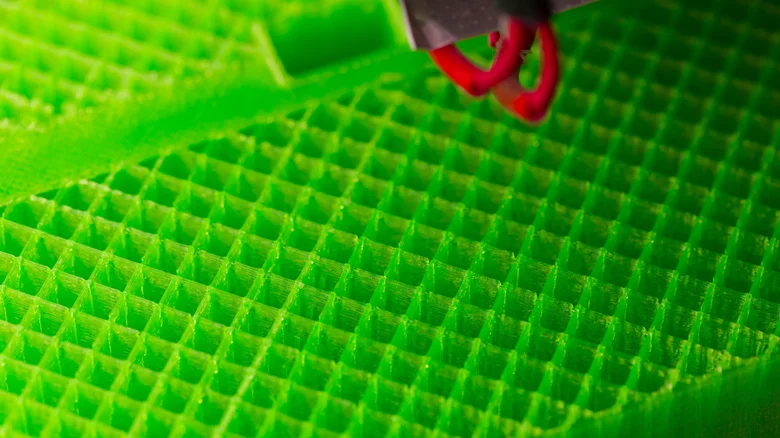
    Close-up of a 3D printer building a green lattice infill structure.

    The infill density is given as a percentage. A model printed at 0 percent is hollow. The greater the percentage, the denser the internal structure. The slicer can also attempt to fill the interior at 100 percent, but you won’t need to do that very often, if at all.

    Most models can be printed with 10 to 15 percent infill and Flashforge recommends 20 percent as a starting point for general use. Neitherigures like 10 or 20 percent less frightening than they may seem. A decorative figure or test print might require minimal infill, but a bracket supporting weight or taking repeated hits deserves more support inside

    Even 0 percent can work! In some cases, a model with a closed bottom can print flawlessly with an empty interior if it gradually closes toward the top. A wide flat surface is a different matter, as the printer might need to lay down filament across a large area with nothing but air beneath it. The melted plastic coming from the nozzle will sag when there’s no structure to hold it up. That’s why it’s important to check your slicer’s layer preview before discovering the problem several hours into a print.

    Higher infill also increases filament use, weight and printing time. It can enhance compression resistance, but the infill percentage is not a magic strength indicator. Wall thickness, print orientation and material choice all play a role, and Prusa points out that more perimeters can be more effective in improving overall strength than more infill when you want a stronger part.

    The infill pattern matters too
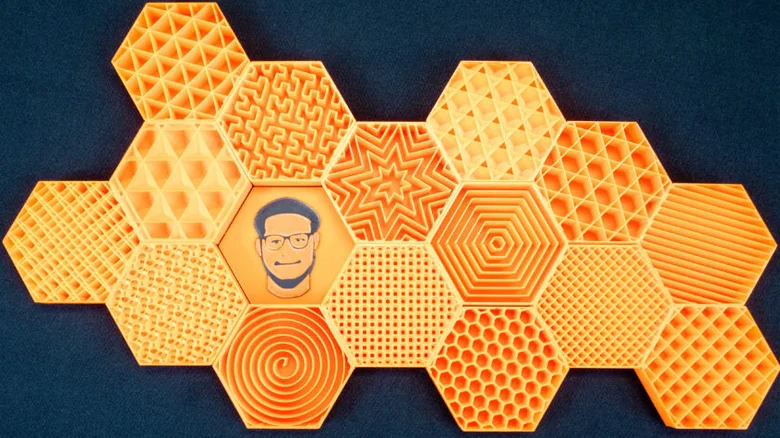
    Orange 3D-printed hexagonal samples displaying different infill patterns.

    The amount of infill a printer will create depends on the density. All that plastic takes the shape of the pattern.

    There are several patterns available with slicers, as no one pattern is ideal for all situations. Grid is a simple general-purpose solution. Cubic creates a 3D internal structure that can withstand forces from various directions. Gyroid is a replacement for straight lines with continuous curves and is often used for functional parts where a more even strength in multiple directions is beneficial. It also appears that someone has stuffed futuristic pasta into your print, which is a welcome addition no one requested.

    Lightning infill moves almost in the opposite direction. It is not a regular structure throughout the model, but branches out mainly where upper surfaces need support. This can reduce the amount of filament used and the amount of time spent printing, but it will not offer the same amount of internal reinforcement as patterns designed for strength.

    For beginners, it is not necessary to learn the whole infill menu of the slicer before printing anything. The default pattern and a moderate density are quite reasonable starting points. Replace them when the object provides you with a reason to.

    A display model, electronics enclosure and load-bearing bracket all have different functions, and it doesn’t make sense to use the same infill for all three. Prusa says for normal models, infill over 30 percent is hardly ever needed.

    infill necessary printing Science What
    Follow on Google News Follow on Flipboard
    Share. Facebook Twitter Pinterest LinkedIn Tumblr Email Copy Link
    myappsplus
    • Website

    Related Posts

    Why you shouldn’t sync your phone to a rental car

    October 4, 2026

    Customizing your Samsung Galaxy phone is a bit easier with One UI 9

    October 4, 2026

    How much does DDR5 RAM speed matter for gaming?

    October 4, 2026
    Add A Comment
    Leave A Reply Cancel Reply

    Top Posts

    Can reviews settle disputes that marked first two seasons?

    September 21, 20268 Views

    Experts call for leveraging AI, breaking key tech bottlenecks to propel advanced manufacturing

    September 19, 20266 Views

    Here’s what happens to your old computer parts you donate to Goodwill

    September 28, 20264 Views
    Latest Reviews

    SpaceX is building a $100 billion ‘Starbase’ launch site in Louisiana

    myappsplusAugust 26, 2026

    ‘If we stuck with the silent protagonist method, we wouldn’t be able to tell this story properly’ — Metro 2039 executive producer says making The Stranger a speaking protagonist ‘goes hand in hand with telling a personal story’

    myappsplusAugust 26, 2026

    Bill Gates says we’ve passed AI’s danger thresholds. Now what?

    myappsplusAugust 26, 2026
    Stay In Touch
    • Facebook
    • YouTube
    • TikTok
    • WhatsApp
    • Twitter
    • Instagram

    Subscribe to Updates

    Get the latest tech news from FooBar about tech, design and biz.

    Most Popular

    ‘If we stuck with the silent protagonist method, we wouldn’t be able to tell this story properly’ — Metro 2039 executive producer says making The Stranger a speaking protagonist ‘goes hand in hand with telling a personal story’

    August 26, 20260 Views

    Bill Gates says we’ve passed AI’s danger thresholds. Now what?

    August 26, 20260 Views

    AI gold rush draws crypto firms away from Bitcoin

    August 26, 20260 Views
    Our Picks

    Machine Learning Improves Colorectal Cancer Recurrence Prediction

    October 4, 2026

    1666: Amsterdam is the long-lost sequel to Assassin’s Creed: Brotherhood, 15 years in the making — ‘It’s been a long journey’

    October 4, 2026

    Amazon Is Taking $550 Off a Pool Robot That Barely Needs Recharging

    October 4, 2026

    Subscribe to Updates

    Subscribe to our newsletter and get the latest tech news, app updates, AI trends, smartphone reviews, and exclusive deals delivered straight to your inbox.

    Facebook X (Twitter) Instagram Pinterest
    • About Us
    • Get In Touch
    • Disclaimer
    • Privacy Policy
    • Terms & Conditions
    © 2026 MyAppsPlus. All Rights Reserved.

    Type above and press Enter to search. Press Esc to cancel.