

- Related
- State Auditor’s Office
- artificial intelligence
North Carolina’s government spending watchdog has released, on average, a report approximately every three days this year, according to a WRAL analysis. Driving the surge, State Auditor Dave Boliek said, is the use of artificial intelligence.
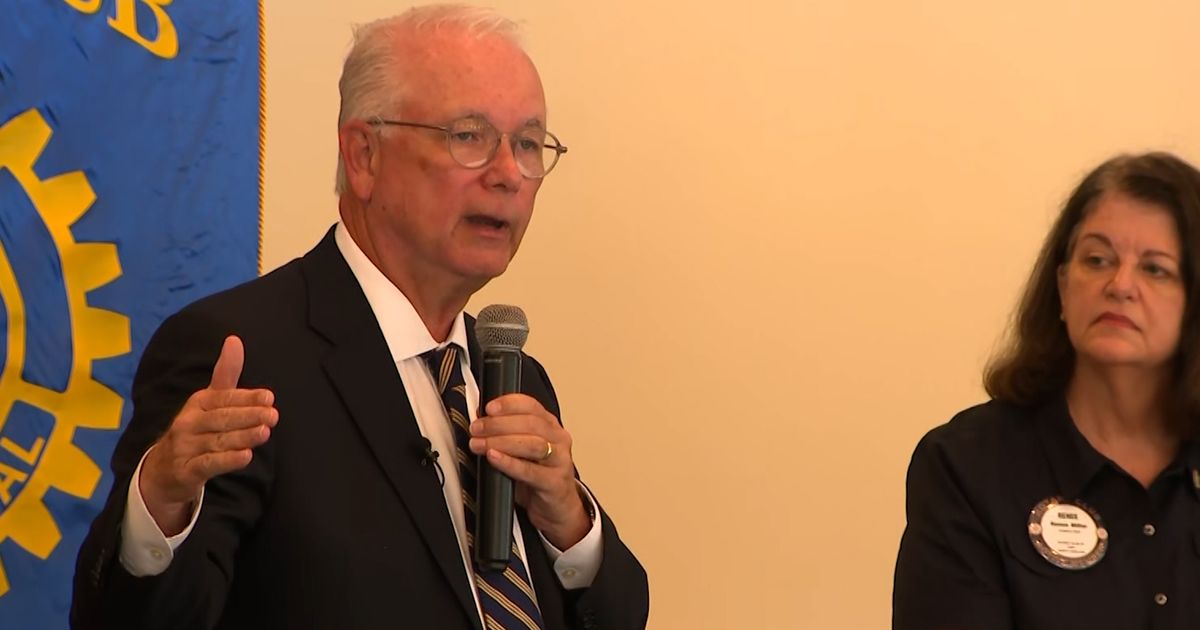
“We have poured jet fuel on the use of artificial intelligence.”State Auditor Dave Boliek while speaking to the Cary Rotary Club in August.
His office has released more than 80 audits or reports so far in 2026, including reviews of Zebulon, Rocky Mount, and Cary.
“The machine learning has helped us to expand the amount of work we can do in a condensed amount of time,” Boliek said in a recent interview with WRAL.
In the past, Boliek said investigators would use highlighters to analyze thousands of financial transactions. Now, teams can use in-house AI systems to analyze large data sets and flag potential fraud in a fraction of the time.
As the auditor’s office ramps up use of the technology, experts warn AI can lead to “false positives” when analyzing data.
“I think the biggest utility of AI in this specific context is efficiency,” Professor in the UNC School of Data and Information Sciences Mohammad Jarrahi said. “The system tags people, processes and transactions, but then through the review, you’ll figure out these are not the real issues. These are basically tagged incorrectly…Erroneous outcomes can be quite problematic.”
Those possible mistakes are why Boliek said his office does not fully rely on the technology, but he noted AI can point investigators in the right direction.
“We’re not there yet. I never said we were. It’s really important that our team goes and follows up,” Boliek said. “It targets the team in a specific area quickly and efficiently. They can then put boots on the ground and then do traditional forensic accounting and auditing work on specific areas.”
“We have AI policies which are continually updated through an AI sub-committee. We’ve utilized framework from other states and state agencies.”Spokesperson for the state auditor’s office
Jarrahi said auditors need to audit AI systems.
“These systems, they may act unpredictably,” Jarrahi said. “The organizations and operators think that the system is doing its magic, it’s worked really well for the past 3 months, so it’s going to work with a broader scale. That often surprises you.”
Boliek said his office is also assessing how AI could exploit weakness in state billing, payments and data systems.
