

We may receive a commission on purchases made from links.
Not long ago, when we talked about the best Android phone of the year, it was more or less always down to the latest Samsung Galaxy or Google Pixel phone, though Samsung always edged out Google. However, in 2026, the Android smartphone market has changed, and Chinese brands have also made their name heard. These brands are shipping cameras and batteries that make Samsung and Google look almost conservative. Gaming phones now come with dedicated liquid cooling systems borrowed from PCs. 2026 started off great for Android smartphones, and it has only accelerated.
There are plenty of options for buyers, which is nice but also a bit problematic since picking a phone is much harder than it used to be. You no longer get the best camera, performance, and battery life in a single phone. You have to look around, and some of the phones in this list aren’t even sold in the U.S., which is something we have flagged clearly wherever it applies. If size is something that matters to you, then you should look at the best compact phones you can buy in 2026 instead.
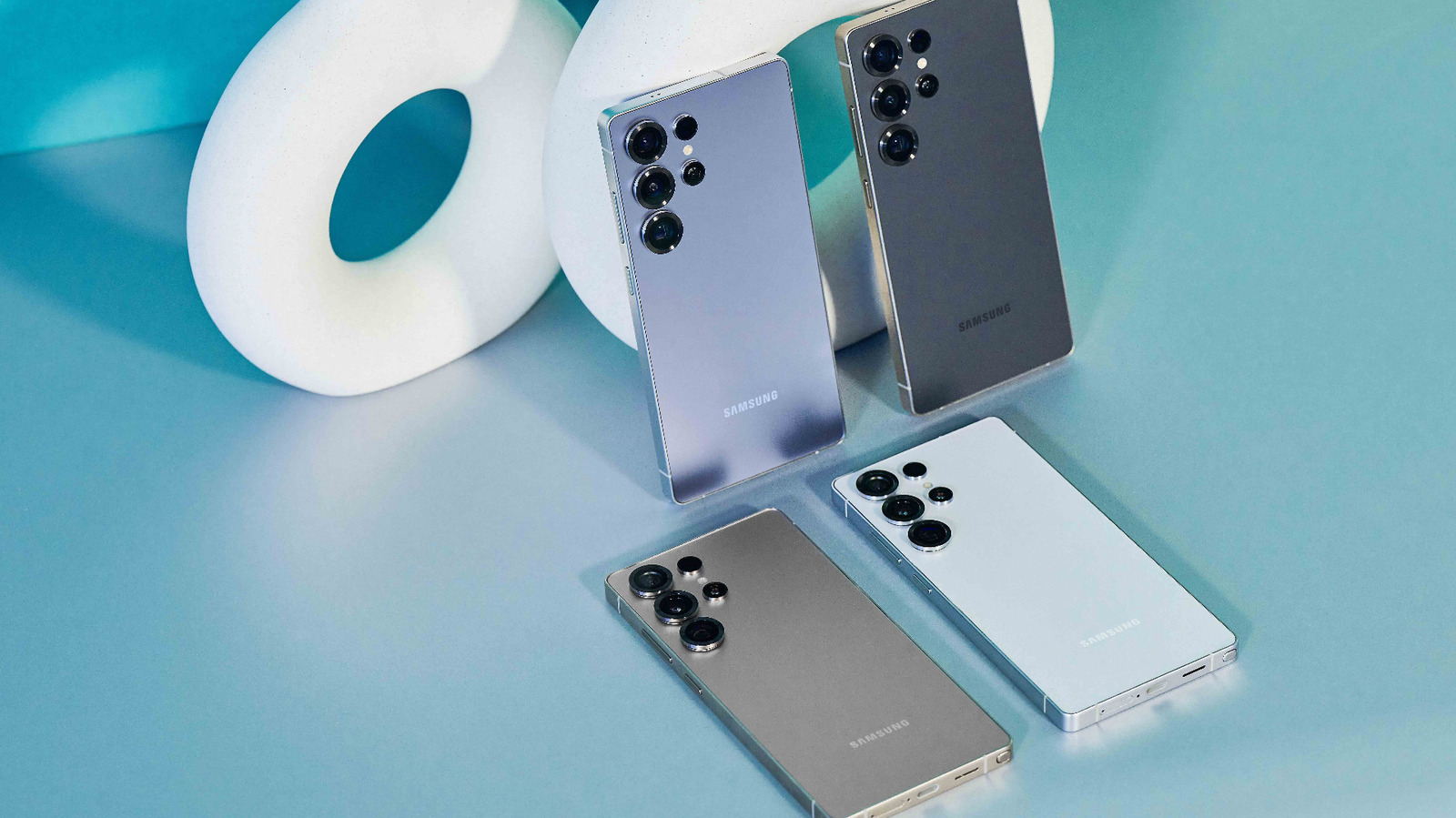
Samsung Galaxy S26 Ultra (U.S. Available)

If you want the best all-round flagships, then the Samsung Galaxy S26 Ultra is the one to go for. It is the “flagship Android” for many people because it is a phone that does the least wrong. TechRadar’s rundown of the best Android phones keeps the Galaxy S26 Ultra near the top because of its performance.
It features a lighter Armor Aluminum build, rounded corners and a privacy screen. The camera system is where the Galaxy S26 Ultra earns its keep: The primary camera has a wider aperture that lets in more light, and the new Super Steady mode noticeably smooths the shaky handheld video. The S Pen, although it has lost its Bluetooth capability and its ability to act as a remote shutter button, still works well for notes and sketches.
Where Samsung Galaxy S26 Ultra still lags behind is in battery life. It is still the weakest link for this flagship. Not only does it have a smaller battery than its competitor in the same range, but it also doesn’t last as long. It starts at $1,299 on Amazon.
Google Pixel 11 Pro XL (U.S. Available)

The Google Pixel 11 series doesn’t look dramatically different from last year’s model, which is alright because the design is already pretty solid. Interesting changes happened on the software side. There are a handful of features that are Pixel 11 Pro exclusive, meaning you won’t find them anywhere on any Android phone for now, which can be a solid reason to pick the Google Pixel 11 Pro XL.
One of the standout features of the Pixel 11 Pro XL is HitLight. It is a modified flash module on the Pro models that glows to indicate an incoming call or when Gemini is actively listening. It can even be set to pulse a specific color for a favorite contact. Then there is Magic Capture, which turns short video clips into clean 12MP still images automatically. Camera Look lets you pick from several photo aesthetics instead of settling for the familiar flat “Pixel Look.”
While the Pixel 11 is a great phone for everyone, the Pixel 11 Pro XL is for those who want some extras. There is an on-device teleprompter mode and a Creator Suite that makes a real case for itself. It is available for $1,299 on Amazon.
OnePlus 15 (U.S. Available)
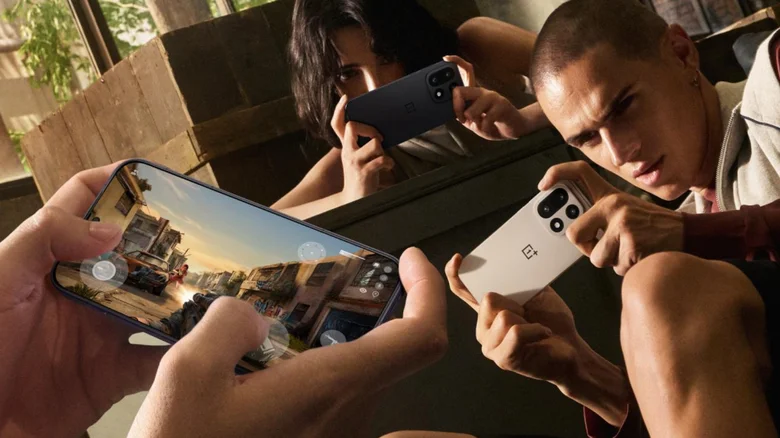
OnePlus started off as a “Flagship Killer” and after a few years became a flagship itself. The phones slowly drifted away from offering the true Android experience and toward everything Oppo (which is the parent company). Fast-forward to now, no new OnePlus products will be sold in Europe and North America. Even the last OnePlus in the U.S., the OnePlus 15, took a strange path to get here. It got delayed by regulatory clearance tied to the government shutdown, but eventually became available.
The OnePlus 15 is a phone that outperforms its price. It packs a huge 7300mAh battery, and is paired with 120W fast charging that takes the phone from empty to a full charge in 43 minutes. You get a fast-charging compatible charger with the phone’s purchase, unlike other brands that are taking away in-box contents.
The OnePlus 15 is powered by the Snapdragon 8 Elite Gen 5 chipset, which our review found runs cooler than its rivals thanks to the upgraded vapor chamber, and has a 165Hz AMOLED display. The phone starts at $899.99 and comes with a ceramic-coated frame that feels sturdy.
Samsung Galaxy Z Fold 8 (U.S. Available)
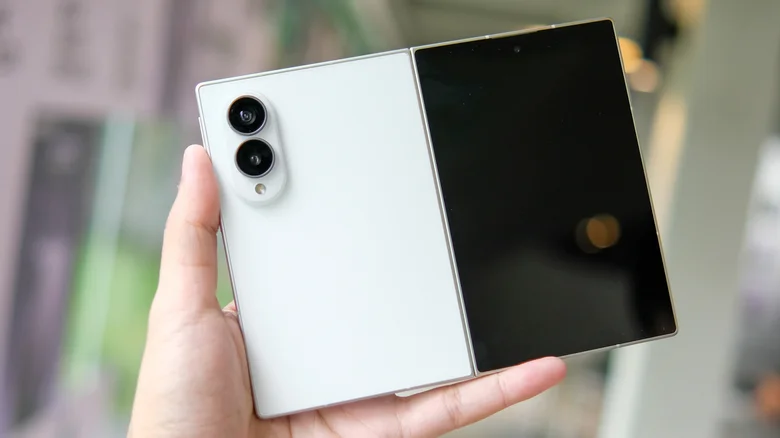
The Android that caught everybody’s attention this year is the Galaxy Z Fold 8. With it, the foldables finally stopped feeling like a compromise. Engadget’s review, aptly titled “Wider really is better,” sums up the core change. Samsung opted for a passport-size with wider frame, giving it a larger 7.6-inch internal display and a genuinely usable 5.5-inch cover screen instead of the cramped strip past Fold models shipped with.
Under the hood, the Galaxy Z Fold 8 gets a redesigned hinge, two titanium layers reinforcing the folding display, and the Gorilla Glass Ceramic 3 up front, along with an IP48 rating for splash resistance. It is noticeably thinner, at about 1/8-inch, as we found out when we placed the Galaxy Z Fold 8 side by side with the Galaxy S26.
It is on the heavier side, at seven ounces, but considering the wide display and a new form factor, that trade-off is worth it. The crease is not gone, but there isn’t much to do about it now; The upcoming iPhone Duo also has a crease.
Motorola Razr Ultra 2026 (U.S. Available)
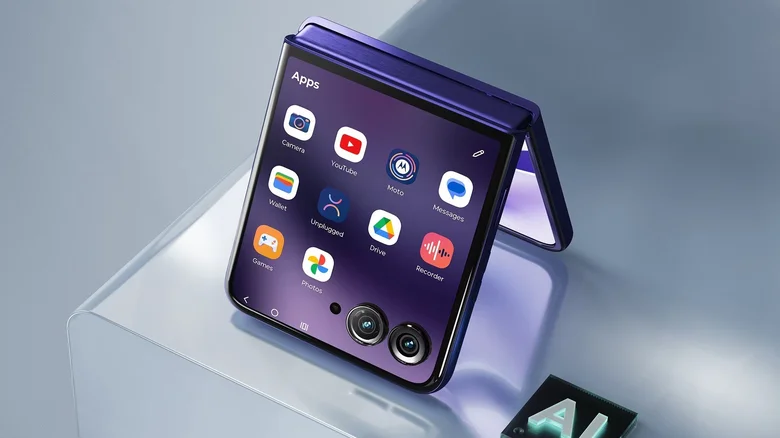
Motorola Razr Ultra 2026 is one of those phones that doesn’t need to reinvent itself to earn a spot in this list. In SlashGear’s review, we have already stated that if you own last year’s Razr Ultra, then you basically already own this too. The body, the screen, and the processor carry over almost untouched. But they did introduce a change, which is the battery.
It comes with a much denser silicon-carbon cell, pushing the capacity up to 5,000mAh. This matches the much larger Galaxy S26 Ultra. In real-world testing, that translated to a full day of heavy use, including hours of streaming and clicking photos and videos. The Snapdragon 8 Elite chipset also picks up a modest 5% to 8% performance bump on Geekbench compared to last year, and a new LOFIC camera sensor aims to reduce blown-out highlights, though results were a mixed bag.
Pricing is the sticking point, as it was launched at $1499.99, a jump from $1299.99 last year. You do get Moto Buds Loop Swarovski and Moto Watch with the purchase from the official website, though. While the phone is good, you need to score the phone at a discounted price to make it worth it.
Nothing Phone 3 (U.S. Available)

The whole selling point of the Nothing company was that it sells phones that look different. The Phone 3 leans on that idea harder than anything the company has released before. In SlashGear’s review of the Nothing Phone 3, we called it a flagship with some genuinely unique features. We were also upfront that it cuts a few corners to get there. For instance, it comes with a Snapdragon 8s Gen 4 chip that sits a step below the true flagship silicon, and the fingerprint scanner is optical rather than ultrasonic.
The Nothing phone stands out because of its Glyph Matrix. It is a small LED display on the back that runs mini tools like a Magic 8 Ball, a spirit level tool, and even a playable Rock, Paper, and Scissors game against your phone. It is more of a novelty than a feature, but it offers something unique, to say the least. Nothing 3 packs four 50MP cameras at the back, including a 3x telephoto zoom, and a battery life that can last all day even with heavy usage.
The Nothing Phone 3 costs $799, and for the first time it’s sold in directly in the U.S., without needing to import. To be frank, it is not as polished as other rivals in this list, and I found some occasional stutters during my hands-on experience with it. However, it has more personality than most other phones, and that counts for something.
Poco F8 Pro (Not officially sold in the U.S.)
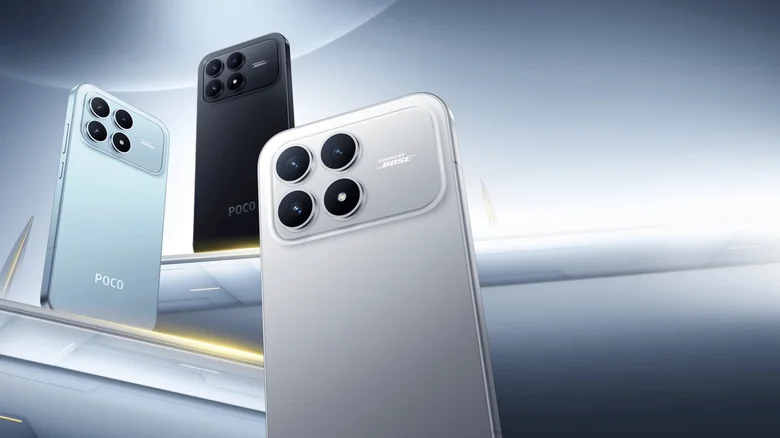
You don’t need to spend flagship money to get flagship performance, and the Poco F8 Pro is proof. Although it is not officially sold in the US, it might be worth buying from importers. You get an aluminum frame, glass back, and an IP68 rating that make this phone look much more expensive than it is.
On the inside, it’s powered by the Snapdragon 8 Elite chip, which can handle everyday tasks well. However, it does run hot during longer gaming sessions, making it less than ideal for heavy games. Where it genuinely surprises is battery life. The Poco F8 Pro packs a 6,210mAh battery, which delivers two to three days of normal use in testing. It’s paired with 100W charging that makes topping it up a non-issue. It has Bose-tuned stereo speakers along with triple-camera setup on the back.
Cheap Android phones are not always worse than expensive ones, and you can see that in the PocoF8 Pro. On the software side, it runs on HyperOS, which is quite limited. You can get the Poco F8 Pro on Amazon for $649.99.
RedMagic 11 Pro (U.S. Available)
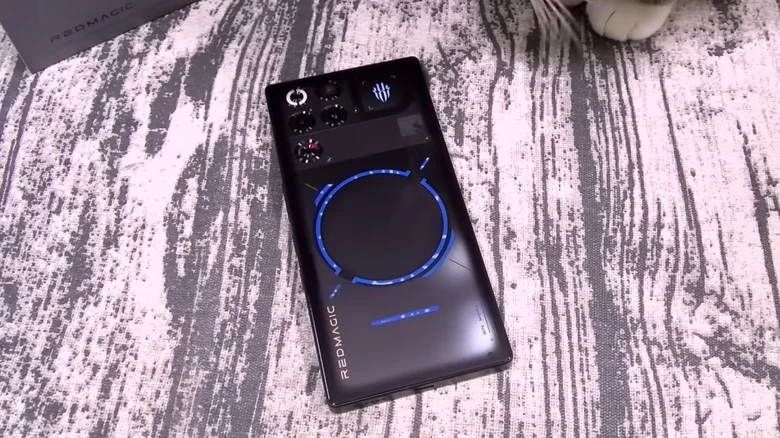
Gaming phones used to be all about RGB lighting and a pathetic software experience. However, over the years, gaming phones like the RedMagic 11 Pro have changed that. The latest gaming flagships, like the RedMagic 11 Pro, give you gaming aesthetics with a serious hardware underneat. In its review, PCMag UK highlighted the brilliance of this first mass-produced phone with actual liquid cooling, using a fluorinated coolant loop circulated by a tiny piezoelectric pump, alongside the usual high-speed internal fan.
With that cooling setup and the Snapdragon 8 Elite Gen 5 chipset, you get some of the best gaming experience of any smartphone. The phone throttles less, and it doesn’t get as hot as a frying pan during those extended gaming sessions. The RedMagic 11 Pro has a 7,500mAh battery, which gives 22 hours of mixed use at a smooth 144Hz refresh rate. Additionally, this is the first RedMagic phone to support wireless charging, doing so at a fast 80W.
Cameras were never the strong point of the RedMagic phones, and that remains true now. They perform like a mid-range phone, at best. The software is also a bit rough despite some improvements over the past RedMagic series. The RedMagic 11 Pro is available for $749.
Xiaomi 17 Ultra (Not available in the U.S.)
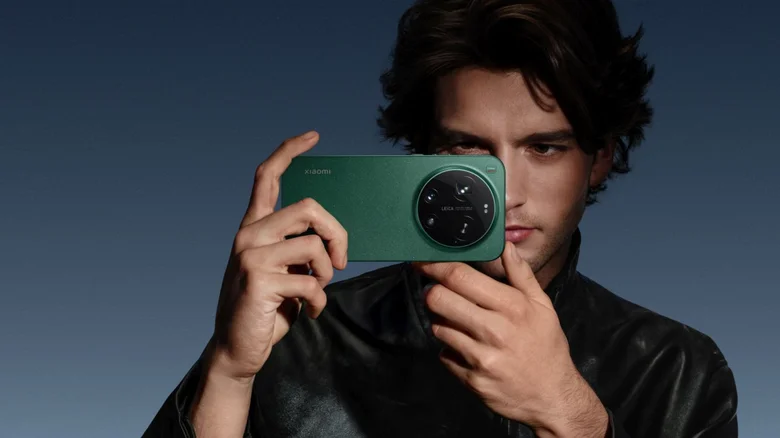
Xiaomi doesn’t sell its products in the U.S., but it is worth knowing about anyway, because there are a few good options from the company. TechRadar’s review of the Xiaomi 17 Ultra points to the Leica partnership as the headline feature, with a 200-megapixel telephoto lens that uses a variable focal length to deliver optical zoom between 3.2x and 4.3x. This is well beyond what most phone telephoto cameras manage.
Speaking of the rest of the features, the Xiaomi 17 Ultra packs a 1-inch main sensor with an f/1.67 aperture that handles low light impressively well. Under the hood, it uses a Snapdragon 8 Elite Gen 5 chip, which is what most of 2026’s flagships are running. Some Xiaomi 17 Ultra also ship with a special rotating physical zoom ring and filters that mimic classic Leica camera looks.
It comes with a 6,000mAh battery, noticeably smaller than the 7,500mAh pack inside the Xiaomi 17 Pro Max. If the camera is of utmost importance to you, and you are comfortable importing a phone, this is one of the most capable models money can buy right now.
Vivo X300 Pro (Not available in the U.S.)
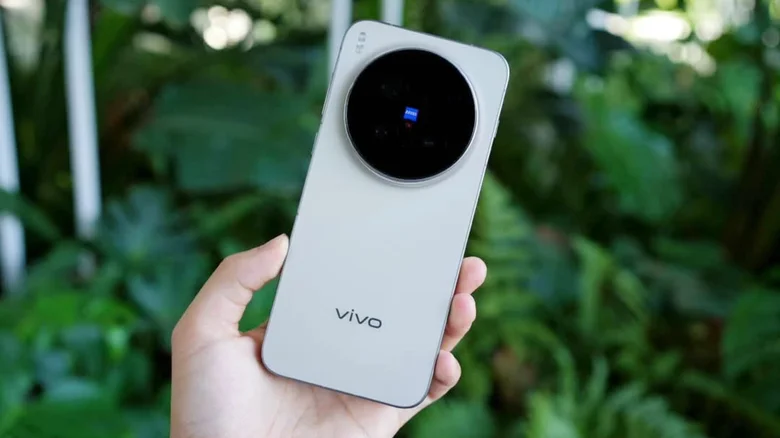
Although many would not put Vivo in the same bracket as Samsung or Google, the X300 Pro deserves all the attention it can get. The phone packs a 6.8-inch 120Hz AMOLED display, powered by MediaTek’s Dimensity 9500 chip rather than Snapdragon silicon, and is paired with a 6,510mAh battery that can last more than one day. As far as the camera goes, GSMArena states that the Vivo X300 Pro “should be a top choice for anyone in the market for smartphone camera excellence.”
Vivo has been a long-term partner with Zeiss, and this is where the phone earns its reputation. The Vivo X300 Pro produces sharp, detailed images and has noticeably less noise at extended zoom levels. It’s zooming capabilities are one of those Chinese smartphone features that iPhone users are still left out of. Thanks to the bigger sensor and higher resolution, Vivo produces the best zoom pictures of any phone on this list.
Build quality is solid too, with an aluminum frame, glass back, and IP69 water resistance. If you are impressed with the Vivo X300 Pro’s capabilities, you will be sad to know it isn’t sold officially in the US. But if you are willing to import and want camera performance that beats the best from Apple, Samsung, and Google, this is one of your best options.
Oppo Find X9 Pro (Not available in the U.S.)
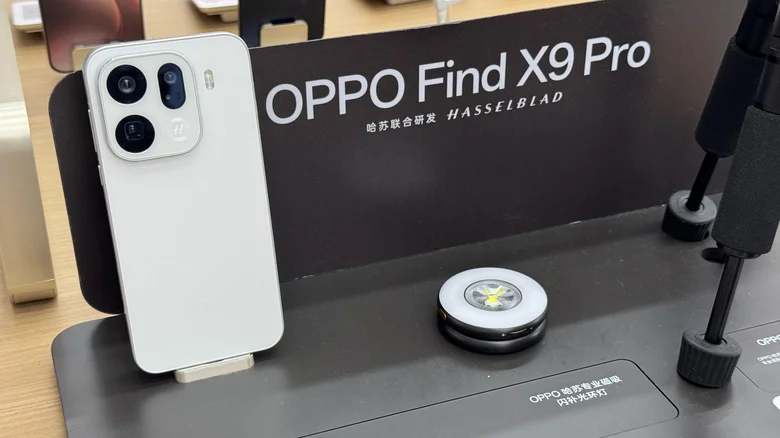
The Oppo Find X9 Pro carves out its own identity with its battery stamina. GSMArena found the phone lasting 22 hours of a mix of media consumption, gaming, and calling, putting it near the top of every flagship battery chart this year. The Oppo Find X9 Pro and its 7,500 mAh battery have a significantly better battery life than many Android flagships (and the iPhone 17).
The phone has a 6.8-inch 120Hz AMOLED display with a claimed peak brightness of 3,600 nits, one of the highest of any phone released in 2026. On the back, it has a triple camera setup that pairs a 50-megapixel main sensor with a wide f/1.5 aperture for better low-light performance.
You will not be able to purchase the Oppo Find X9 Pro in the U.S., and importing means giving up on carrier support and a better warranty. But if you are in a country where this phone is sold, or you can manage to go without a warranty, then the Oppo Find X9 Pro is one of the best flagships to have.
Honor Magic 8 Pro (Not available in the U.S.)
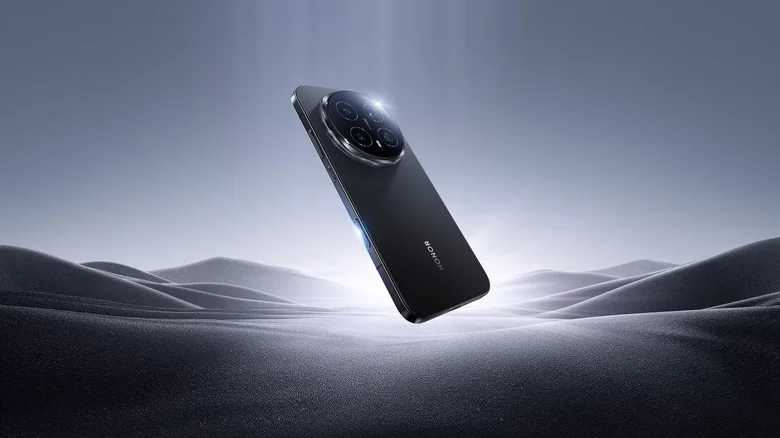
Honor has spent the last few years quietly closing the gap with Samsung and Google, though its products are not officially sold in the U.S. The Magic 8 Pro is one of the latest phone offerings from the company, and it does stand out in some areas. Android Central called it a compelling alternative to the Galaxy S26 Ultra, and despite not being sold in the U.S. through official channels, it works fine on some U.S. carrier networks.
The telephoto camera is the standout feature, which has a physically large 1/1.4-inch sensor paired with an f/2.6 lens that produces background blur that looks closer to a DSLR than a smartphone and that has a 3.7x optical zoom with effective stabilization. The 6.71-inch OLED display offers true 3,840Hz and 4,320Hz PWM dimming modes, which makes low-light modes easier on the eyes. The display also features a built-in flicker-detection tool, something no other major phone maker currently offers.
The Magic 8 Pro also comes with a 6,000-nit brightness ceiling and an impressive battery life; You can expect one to two days’ worth of juice with its 6,270mAh battery.
Methodology
I’ve spent close to a decade covering consumer tech, with a specific focus on smartphones, and that hands-on background shaped how this list came together. Rather than leaning on spec sheets alone, every phone here was evaluated using hands-on reviews from outlets with a good track record, including our own reporting. Aspects such as real-world battery testing, camera comparisons, and pricing were taken into account. U.S. availability was verified for every entry and import options were flagged clearly.
