

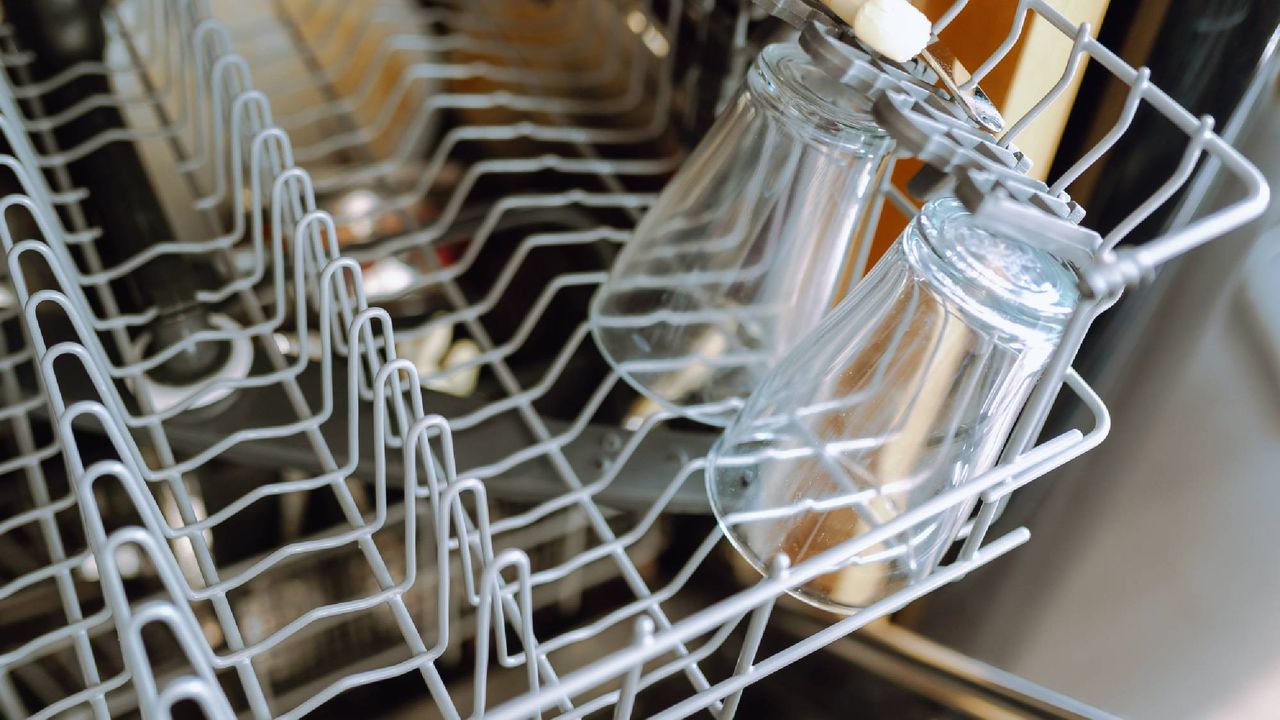
There is nothing quite as disappointing as unloading a fresh batch of dishware only to find your clear drinking glasses covered in a dull, milky white haze.
For months, I assumed my dishwasher was simply getting old, or that I was buying cheap detergent. I kept re-washing cloudy glasses by hand, which completely defeated the point of having a dishwasher in the first place.
Once I realized what was happening, I stopped scrubbing each glass individually and tried a quick, zero-scrub dishwasher reset trick using a single kitchen staple.
Within one short cycle, the hazy film completely dissolved, leaving every glass sparkling and crystal clear. Here is why your dishwasher leaves that frustrating film, and the easy fix that clears it.
Why your dishwasher leaves a cloudy film on glasses
Cloudy glassware is caused by one of two things, but only one of them is reversible:
- Hard water mineral buildup (Reversible): Calcium and magnesium in hard water combine with detergent fats during the wash cycle. If your dishwasher lacks enough rinse aid, these minerals get baked onto the glass surface during the drying phase, creating a chalky white coating.
Glass etching (Permanent): If you have soft water, use too much detergent, or run water that is extremely hot, the chemical combination can physically eat away at the glass surface over time. Etching cannot be washed off, but mineral film can be dissolved instantly with a mild acid.
The quick fix to restore cloudy glasses
To clear existing mineral buildup from your glasses and flush out your machine at the same time, all you need is plain white vinegar or citric acid powder.
Before running a full load, place a single drop of white vinegar on one cloudy glass and rub it with your finger. If the spot clears up, it is hard water buildup and this fix will work 100% of the time. If it stays cloudy, the glass is permanently etched.
Arrange all your hazy glassware on the top rack of your empty dishwasher. Do not add any standard dishwasher detergent or pod to the dispenser for this cycle.
Fill a dishwasher-safe bowl or measuring cup with 2 cups of plain white vinegar and place it upright on the top rack among the glasses. Then run a normal hot-water wash cycle.
As the machine sprays, the vinegar will slowly overflow from the bowl, distributing mild acid throughout the entire cycle to dissolve the mineral film without manual scrubbing.
To prevent the film from ever returning, immediately check your dishwasher’s rinse aid compartment.
Fill it completely with liquid rinse aid (likeFinish Jet-Dry). Rinse aid breaks the surface tension of the water, allowing it to slide off the glass before minerals can dry and stick.
- I stopped vacuuming my rugs wrong — here’s the simple overlap technique that doubled my dust pickup
- How to clean old baking sheets to look brand new — without hours of scrubbing
- I restored my yellowed whites to brilliant white using one overlooked laundry step
