Close Menu
MyAppsPlus

    Subscribe to Updates

    Get the latest creative news from FooBar about art, design and business.

    What's Hot

    First cash deals land on Pixel 11 series today at Amazon, Pixel 10a down to $424, more

    September 13, 2026

    How to watch Man Utd vs Man City: Live streams, TV channels for Premier League 2026/27

    September 13, 2026

    External HDD vs. SSD: What are the pros and cons of each drive type?

    September 13, 2026
    Facebook X (Twitter) Instagram
    Facebook X (Twitter) Instagram
    MyAppsPlusMyAppsPlus
    Sunday, September 13
    • Home
    • Breaking Tech
    • Apps & Software
    • AI & Automation
    • Android
    • iPhone & iOS
    • More
      • Reviews
      • How-To Guides
      • Deals & Discounts
      • Shop
    MyAppsPlus
    Home»AI & Automation»AI Model Shows Promise for Predicting Peanut Allergy
    AI & Automation

    AI Model Shows Promise for Predicting Peanut Allergy

    myappsplusBy myappsplusAugust 23, 2026003 Mins Read
    Share Facebook Twitter Pinterest Copy Link LinkedIn Tumblr Email Telegram WhatsApp
    Follow Us
    Google News Flipboard
    AI Model Shows Promise for Predicting Peanut Allergy
    Share
    Facebook Twitter LinkedIn Pinterest Email Copy Link

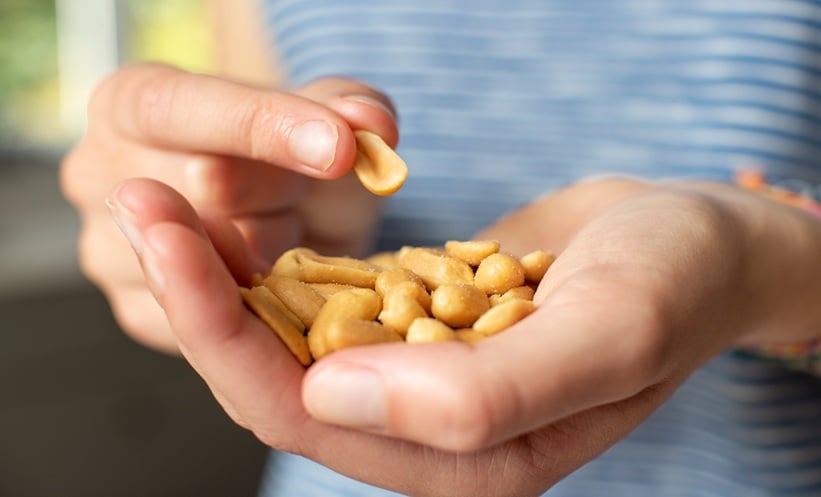
    MACHINE LEARNING could help clinicians distinguish patients with peanut allergy from those who are sensitised but able to tolerate peanuts, potentially reducing reliance on oral food challenges (OFCs).

    A new study has developed explainable artificial intelligence (AI) models using clinical and immunological data from peanut-sensitised children and adults. The best-performing model achieved 96% accuracy in cross-validation and maintained 86% accuracy when evaluated using an independent cohort.

    Machine Learning Targets a Diagnostic Challenge

    OFCs remain the gold standard for diagnosing peanut allergy, requiring patients to consume increasing doses of peanut under medical supervision. However, they are resource-intensive and carry a risk of severe allergic reactions.

    Researchers from Charité–Universitätsmedizin Berlin, Germany, investigated whether machine learning could combine routinely collected clinical and immunological measures to predict OFC outcomes.

    The study included 96 peanut-sensitised participants aged 1- 56 years. 74 of them had a confirmed peanut allergy and 22 who were sensitised but tolerant. Researchers developed models using clinical data, basophil activation test (BAT) results, or a combination of both.

    Combined Testing Improved Prediction of Peanut Allergy

    The researchers developed three types of machine learning model to predict whether peanut-sensitised participants would have an allergic reaction during an oral food challenge. Models either combined clinical and basophil activation test (BAT) data, used clinical data alone, or relied solely on BAT measurements.

    The model combining clinical and BAT data performed best, correctly predicting OFC outcomes with 96% accuracy during cross-validation. However, a model based on clinical data alone performed similarly, with 95% accuracy, while the BAT-only model achieved 83%.

    Explainable AI analysis also allowed the researchers to identify which measurements contributed most to these predictions. Levels of IgE antibodies against Ara h 2, a major peanut allergen, were particularly influential. Higher Ara h 2-specific IgE levels and larger reactions during peanut skin testing were associated with an allergic response during an OFC. Measures from the BAT, which assesses how immune cells respond when exposed to peanut allergens, also contributed to the predictions.

    Importantly, the researchers also evaluated the models using data from another independent LEAP study. The combined model correctly classified 86% of participants in this separate dataset, while the clinical-only model achieved 85% accuracy, supporting the potential for the approach to work beyond the original study population.

    Further Validation Is Needed

    The approach was less successful at predicting maximum tolerated peanut dose and reaction severity, with both regression models designed to make more detailed predictions about reactions performing considerably worse than the binary allergy prediction models.

    The researchers describe the findings as proof of concept, suggesting that explainable machine learning could eventually support clinicians in distinguishing peanut-allergic patients from sensitised but tolerant individuals and help determine when OFCs are necessary.

    However, prospective validation in larger, diverse, multicentre populations will be needed before the models can be incorporated into routine allergy care.

    Kemmler P E. et al. Leveraging Explainable AI on Clinical Data from Oral Food Challenges to Predict Peanut Allergy. J Allergy Clin Immunol Glob. 2026;100770.

    Featured image: Daisy Daisy on AdobeStock

    model Peanut Predicting Promise shows
    Follow on Google News Follow on Flipboard
    Share. Facebook Twitter Pinterest LinkedIn Tumblr Email Copy Link
    myappsplus
    • Website

    Related Posts

    AI will transform capitalism

    September 13, 2026

    Artificial Intelligence for Nuclear Deterrence Strategy 2023

    September 13, 2026

    the AI bootcamps aimed at addressing UK youth unemployment

    September 13, 2026
    Add A Comment
    Leave A Reply Cancel Reply

    Top Posts

    The 6 AI-free Linux distros I recommend most

    August 19, 20264 Views

    AI, automation, robot dogs ensure on-site nuclear safety

    September 7, 20262 Views

    This tiny AI box could save me from upgrading my perfectly good laptop

    September 6, 20262 Views
    Latest Reviews

    Why Fluper is the No.1 Mobile App Development Company in the UAE, Saudi Arabia, and the Middle East.

    myappsplusAugust 18, 2026

    How New Kuwait And Indonesia Tech Deals At Baker Hughes (BKR) Have Changed Its Investment Story

    myappsplusAugust 18, 2026

    Google is reportedly planning to move all Pixel production out of China

    myappsplusAugust 18, 2026
    Stay In Touch
    • Facebook
    • YouTube
    • TikTok
    • WhatsApp
    • Twitter
    • Instagram

    Subscribe to Updates

    Get the latest tech news from FooBar about tech, design and biz.

    Most Popular

    Why Fluper is the No.1 Mobile App Development Company in the UAE, Saudi Arabia, and the Middle East.

    August 18, 20260 Views

    How New Kuwait And Indonesia Tech Deals At Baker Hughes (BKR) Have Changed Its Investment Story

    August 18, 20260 Views

    Google is reportedly planning to move all Pixel production out of China

    August 18, 20260 Views
    Our Picks

    First cash deals land on Pixel 11 series today at Amazon, Pixel 10a down to $424, more

    September 13, 2026

    How to watch Man Utd vs Man City: Live streams, TV channels for Premier League 2026/27

    September 13, 2026

    External HDD vs. SSD: What are the pros and cons of each drive type?

    September 13, 2026

    Subscribe to Updates

    Subscribe to our newsletter and get the latest tech news, app updates, AI trends, smartphone reviews, and exclusive deals delivered straight to your inbox.

    Facebook X (Twitter) Instagram Pinterest
    • About Us
    • Get In Touch
    • Disclaimer
    • Privacy Policy
    • Terms & Conditions
    © 2026 MyAppsPlus. All Rights Reserved.

    Type above and press Enter to search. Press Esc to cancel.